

Indiana Jones and the Dial of Destiny is an entertaining movie and a vast improvement over Indiana Jones and the Kingdom of the Crystal Skull, but Director James Mangold still makes some questionable choices here. I have several criticisms, and most of my compliments come with caveats.
For starters, the de-aging of Harrison Ford looks incredible… at first. However, as soon as he’s captured and tortured by Nazis, the quality of the effect steeply declines. I swear there were moments where Indiana Jones’ face would flicker, revealing the younger actor’s face underneath for the briefest of moments.
Similarly, the diving sequence looked impressive. The underwater wreckage looked great, even the minerals floating in the water gives the entire sequence a grainy appearance that makes it look like it was shot on film stock vs digitally. Yet when the eels appear, it’s more than evident that they’re computer generated. Furthermore, the quality is hideous. Were the visual effects artists trying to create realistic or “monstrous” versions?
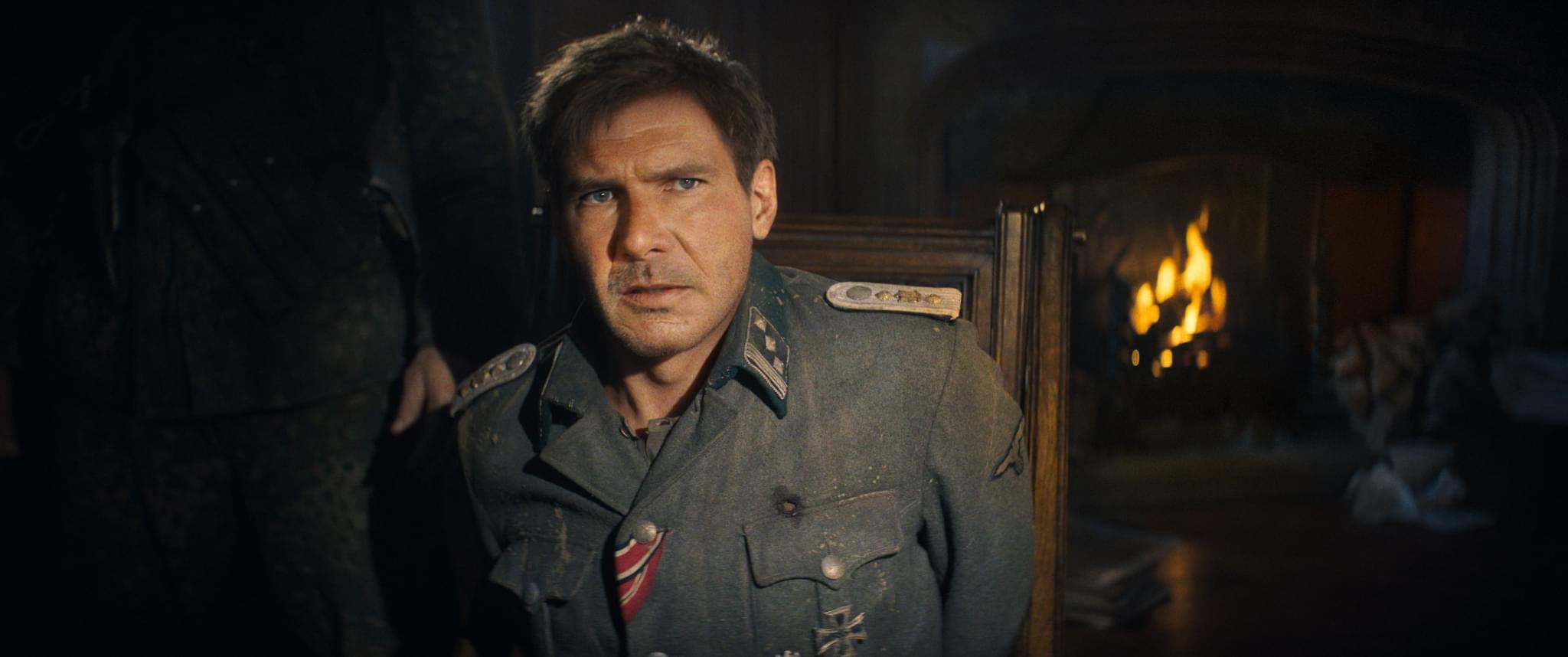
Another problem this movie has is its overly long chase sequences. Whether it’s the opening sequence, the chase on horseback through the NY subway, the frantic Tuk Tuk chase in Morocco, or even the plane chase. All of these sequences certainly overstay their welcome, and could have easily been cut down by at least five minutes without losing any context, possibly even making for a more thrilling experience rather than a draining one. The constant edits seen in moments like the on-foot chase through the streets of Morocco are exhausting too, and eerily reminiscent of Liam Neeson climbing the fence in Taken 3.
Yes, Harrison Ford is getting up there in years, but he can still convincingly sucker punch someone, which makes me wonder why we didn’t get more scenes like the fight at the auction. I would understanding it if the filmmakers didn’t want to include a lot of stunts involving Ford the for the sake of choreography, but I don’t understand why they wouldn’t want to lean into moment like when Indy dispatches the swordsman inn Raiders of the Lost Ark or stage a couple of quick escapes through mass pandemonium like the opening of Indiana Jones and the Temple of Doom. I don’t need the nostalgia or callbacks, but we’ve seen Indy get out of dangerous situations in more effective and efficient ways throughout the history this franchise that could easily be used to hide Ford’s age.
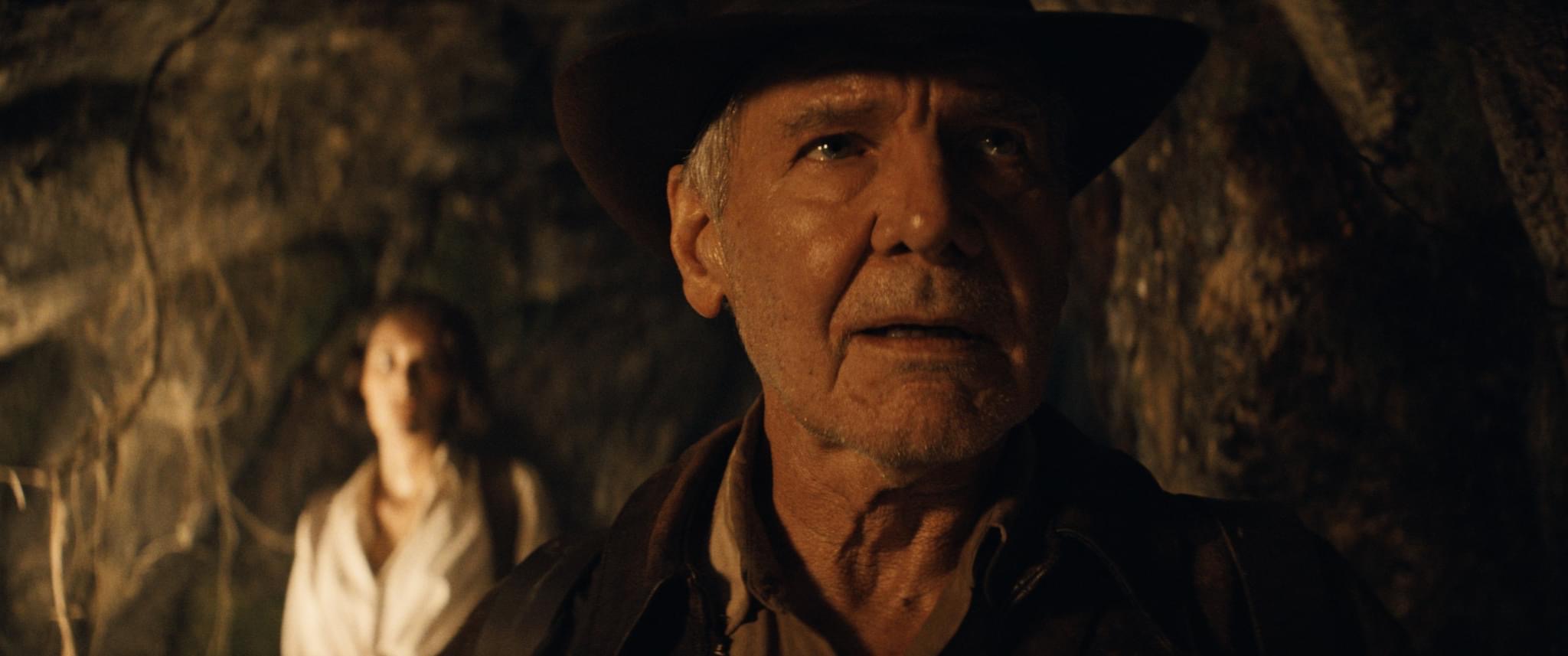
On the positive side, this movie really shines when it goes in the opposite direction, slowing things down to put an emphasis on the emotional drama. Ford’s most recent returns to characters such as Han Solo and Indy are surprisingly emotionally charged, watching the cynic turn sincere. For example, when Han admits the stories of the force and Jedi are all true. Similarly in the Dial of Destiny, Indiana morns the loss of his son Mutt Williams. It’s a great moment that allows Ford to flex his acting muscles. The scene works so effectively, showing us an Indy who’s been beaten down by life, while also giving Mutt a haunting presence without Shia LeBeouf needing to be in this movie. It also helps to lend some emotional weight to the pseudo-science of time travel – don’t worry, the writers came up with a clever loophole that also serves as a satisfyingly subversion to the villain’s plan. It pairs well with John Rhys-Davies’ line about missing the dessert, sea, and adventure, to which Indy replies, “Those days have come and gone.”
Composer John Williams is back, bringing awe and wonder to the various discoveries and revelations in this movie. The new score is impressive because it both new yet familiar. Williams uses elements from the iconic themes in a way that sounds like this latest score has always been a part of this franchise.
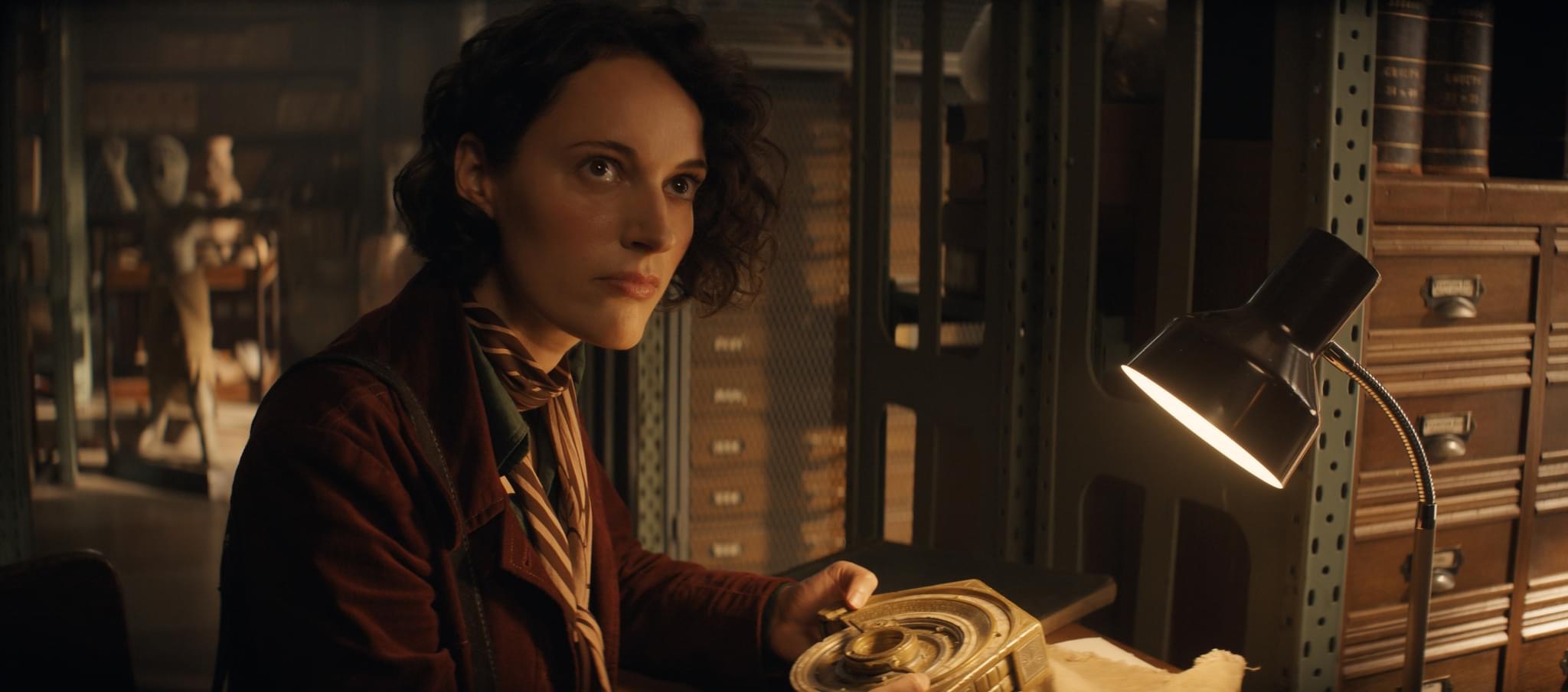
Speaking of revelations, Phoebe Waller-Bridge as Helena is a welcome inclusion to the Indiana Jones pantheon of characters. She’s smart, rational, and ruthless when the situation calls for it. However, despite the long runtime, the movie does a poor job fleshing out characters who aren’t Indy or Helena. They’re simply there for the ride. I liked the character Renaldo (Antonio Banderas) the ship captain who Indiana has had a long-standing friendship with, but when you think about it, his character is simply there to artificially raise the stakes of an already tense situation. Even Mads Mikkelsen’s Dr. Voller, only really shows up when the story needs to put another obstacle in Indiana’s way. But it’s Shaunette Renee Wilson who plays US Agent Mason that is a prime example of wasted potential. She doesn’t do anything other than react to the situations she finds herself in. I want to say she’s supposed to help keep the audience guessing as to who the bad guys are, but there’s no such subtlety when it comes to those characters.
Overall, Indiana Jones and the Dial of Destiny is a perfectly adequate way to say farewell to the famous archaeologist. That said, the final shot had me staring disapprovingly at the screen. The hat grab could be interpreted as saying there’ll be more to come, but given how this installment ends, the final moments should have been more definitive such as lingering on Indy’s hat hanging on the clothesline. It’s a simple yet effective ending that provokes a sense of peace and rest for the adventurer, while also staying true to the Spielbergian roots.
Rating: 3.5/5.
The writer of this piece is: Laurence Almalvez
Laurence tweets from @IL1511


Leave a Reply