
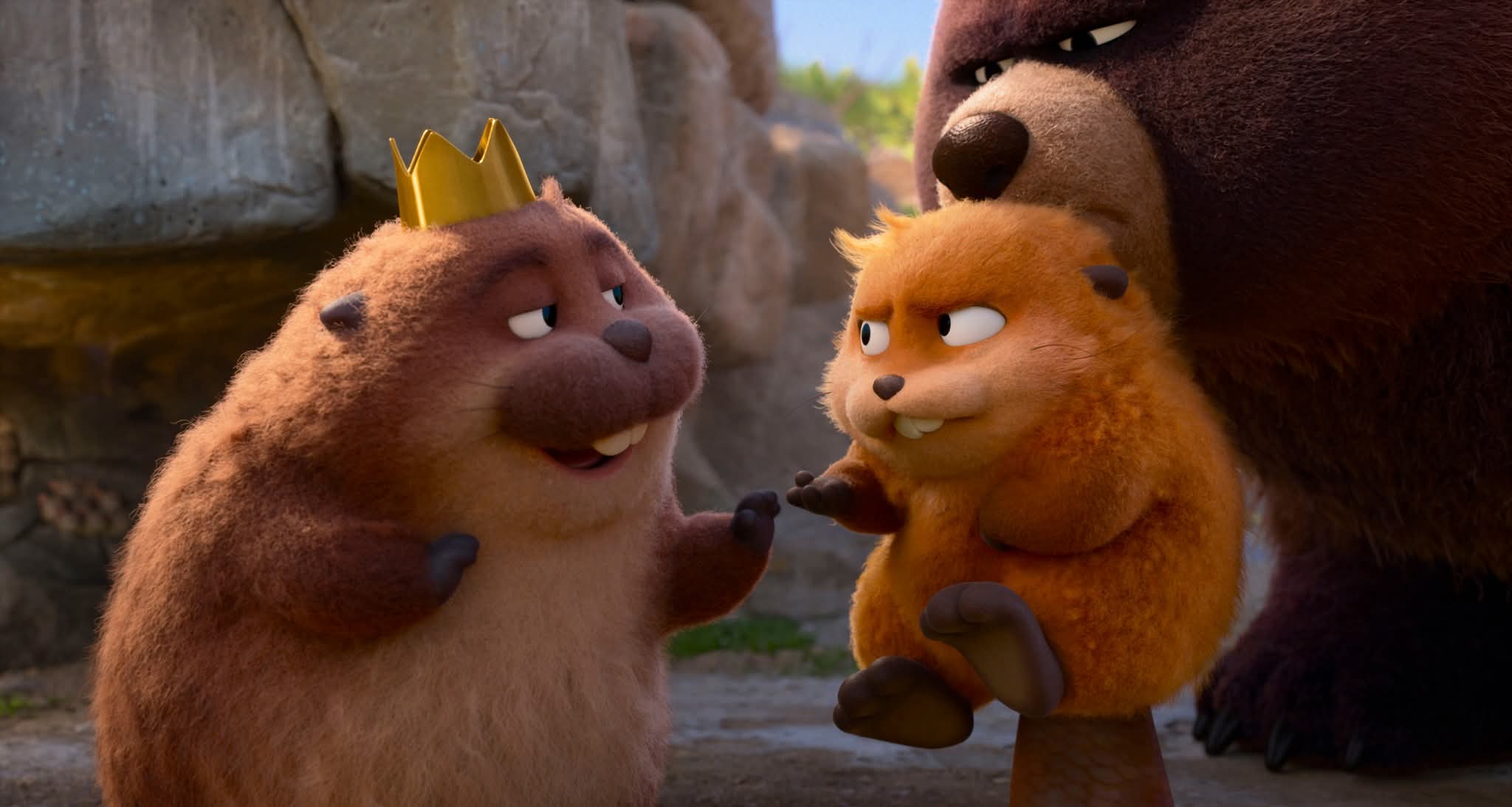
Hoppers could have easily slipped into preachy territory with its environmental message or become a stereotypical talking‑animal movie set in a utopian society. Instead, it delivers its themes and story in an entertaining way while reminding us that nature can be both serene and extreme.
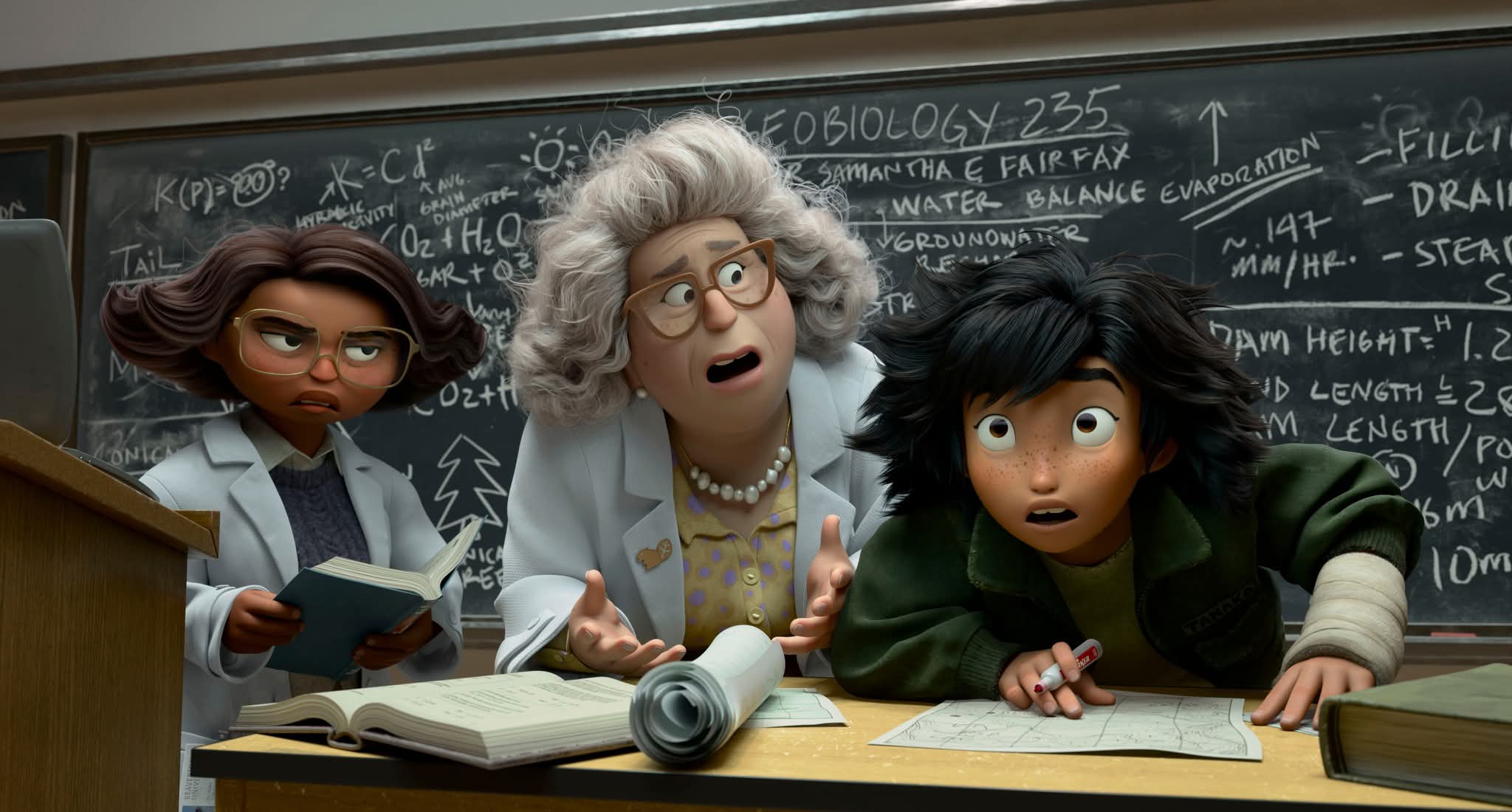
Mabel Tanaka (voiced by Piper Curda) was considered a troubled child – she repeatedly tried to liberate the class pets and return them to the wild. Not much has changed for 19‑year‑old Mabel, who now fights on a larger scale to stop Mayor Jerry Generazzo (Jon Hamm) from building a roadway through a local pond. The pond’s inhabitants have mysteriously vanished over the course of a few weeks. Mabel soon discovers that her college professor, Dr. Sam (Kathy Najimy), has developed technology that allows humans to transfer their consciousness into a robotic beaver – one that is capable of communicating with the animal kingdom. Mabel takes it upon herself to convince the displaced wildlife to return home.
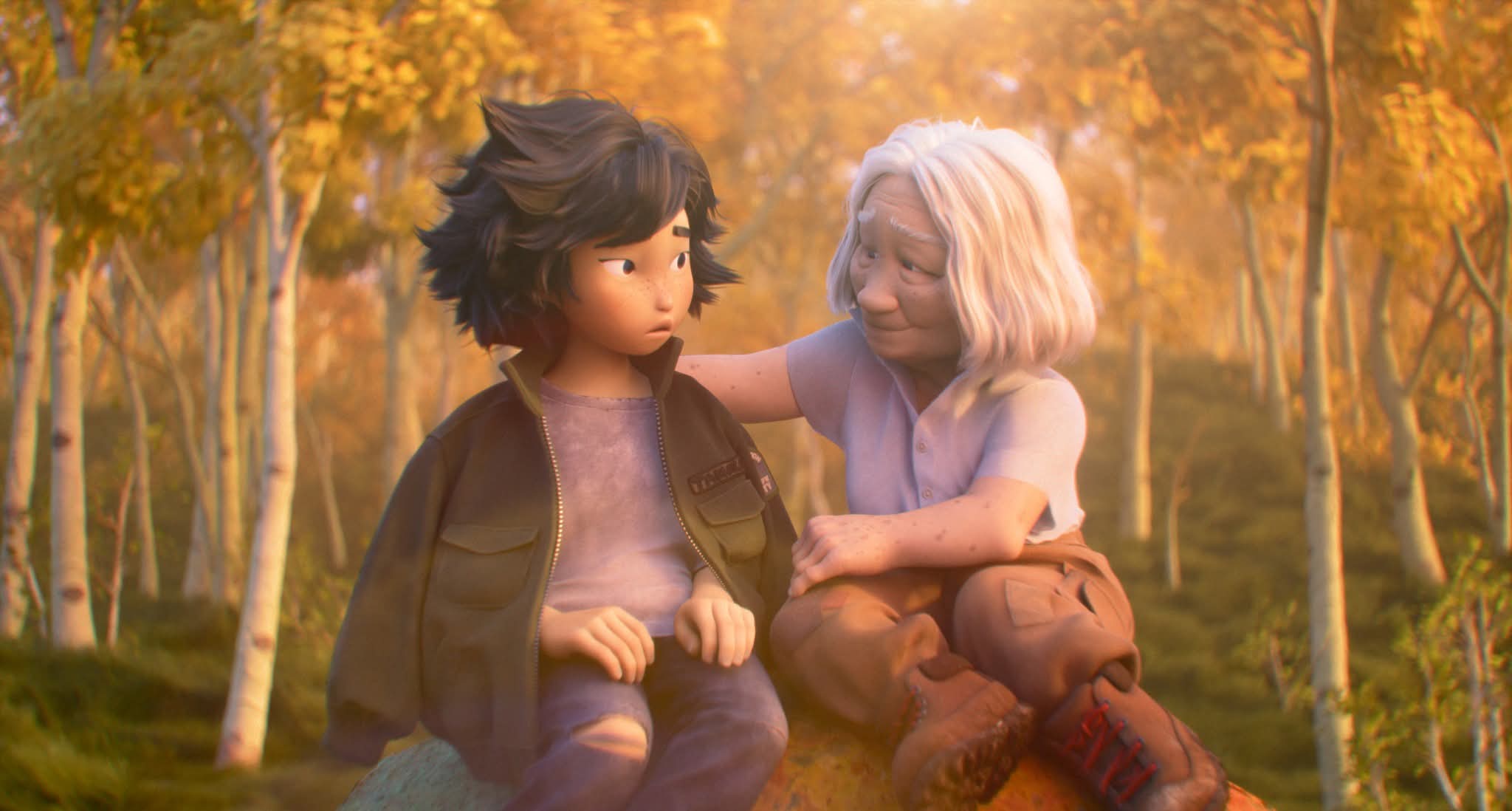
First‑time director Daniel Chong makes several inspired choices with Hoppers. He establishes a strong emotional connection between the fiery young Mabel and her Zen‑like grandmother, Grandma Tanaka (Karen Huie). Through a montage, the torch is passed from grandmother to granddaughter to protect the pond, yet Chong avoids “Up‑ing” the audience – he doesn’t emotionally devastate viewers with Grandma Tanaka’s passing right at the start.
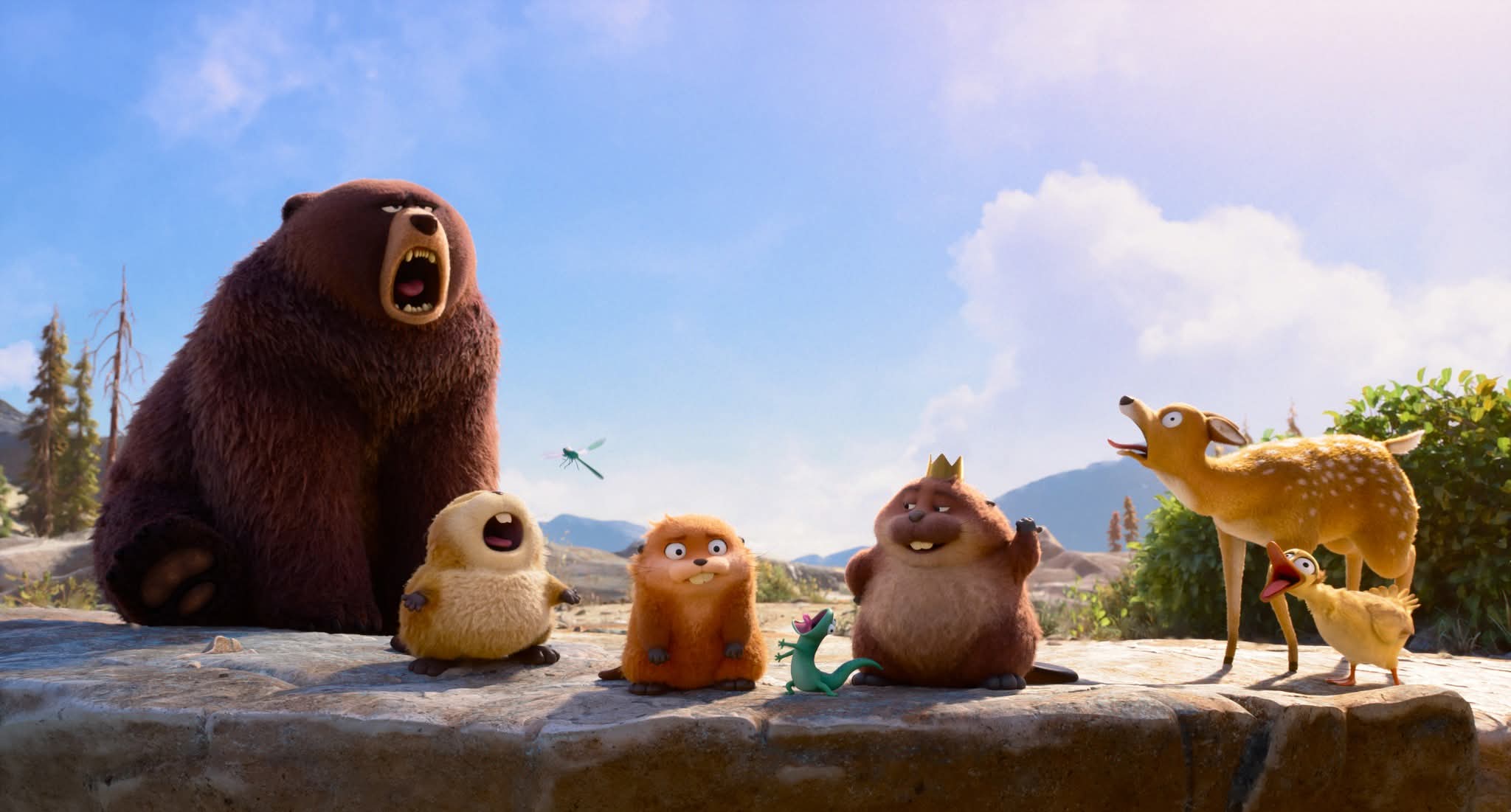
The introduction of the pond rules is what sets Hoppers apart from Pixar and other talking‑animal films. It doesn’t need a Finding Nemo‑style scene where sharks attend AA‑like meetings chanting “fish are friends, not food.” Here, the rule is simple: “When you gotta eat, eat.” It’s a small detail, but it adds a layer of realism to an otherwise cartoonish world. That said, Diane the shark (Vanessa Bayer) gets a terrific and terrifying moment that isn’t too dissimilar from Bruce’s black‑eyed transformation.
The cast is fantastic, but it’s Dave Franco as the Insect King who truly stands out. His gravelly voice is perfect for the unhinged monarch. The number of Saturday Night Live alumni (Bobby Moynihan, Ego Nwodim, Melissa Villaseñor, and Bayer) is surprising and makes me wonder whether some of the clever jokes were ad‑libbed. The humor often feels like SNL when its writing is at its sharpest.
Hoppers’ weakest element is its story structure. The narrative often feels episodic – not in a clumsy way, but enough to slow the pacing. Fortunately, the film offers plenty of twists, turns, and smart subversions to keep you engaged.
I appreciate that Hoppers never becomes a lecture about the environment, even though that message sits at the heart of the film. The animals’ naivety and unfamiliarity with the human world make the story both engaging and impactful, especially as we see how desperately they want to return home. This adds another layer of enjoyment to the faux “live animal and nature cameras” that play over the credits.
Grandma Tanaka says, “It’s hard to be mad when you feel like you’re part of something big.” It’s a timely message about connecting with nature and community, and Hoppers captures that sentiment beautifully. Plus, how can you not love the adorable animal character designs?
Rating: 4/5.
The writer of this piece is: Laurence Almalvez
Laurence tweets from @IL1511


Leave a Reply