
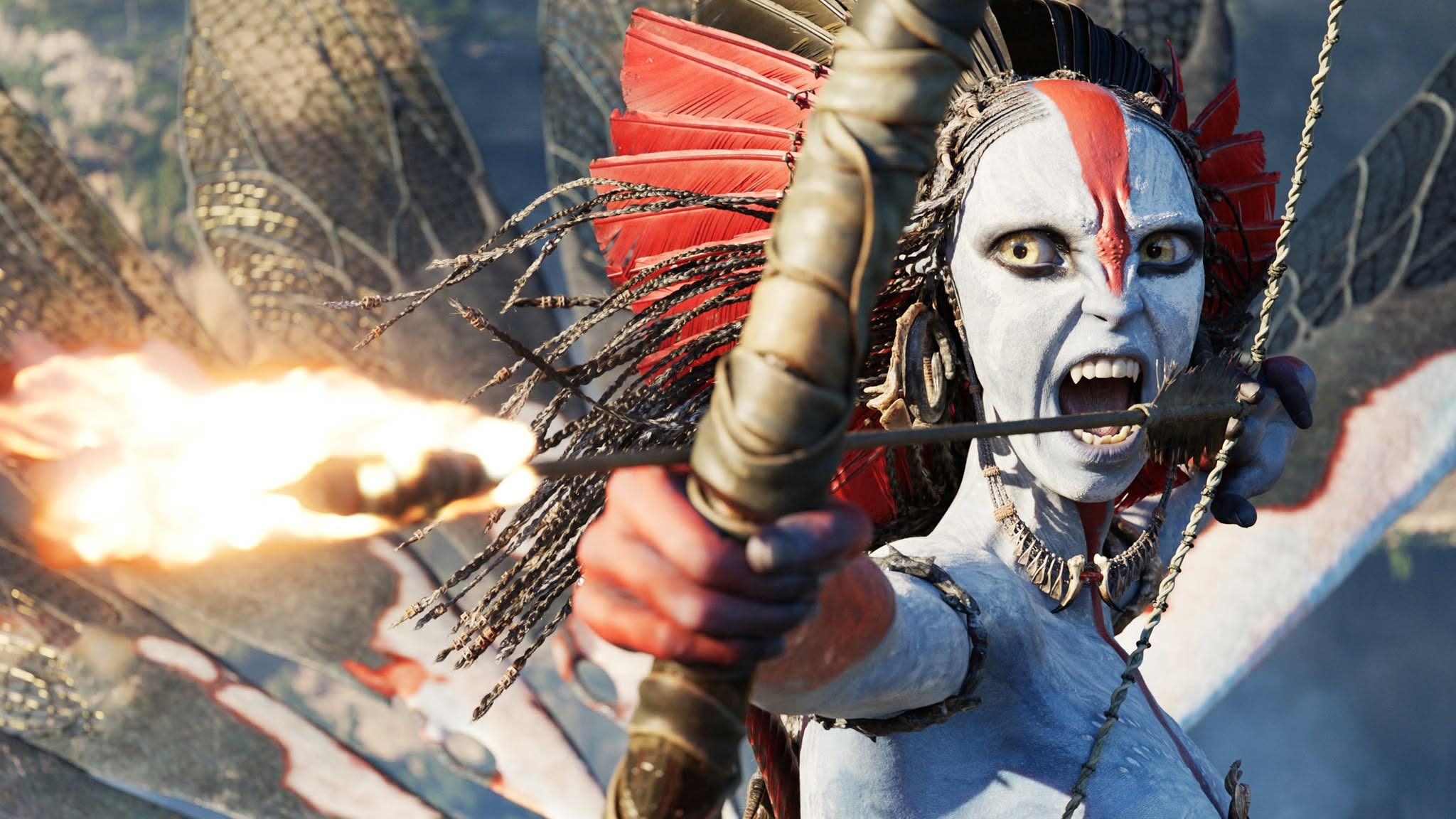
Brian Tallerico of Roger Ebert wrote that he can’t imagine anyone thinking Avatar: Fire and Ash is the best of the trilogy. I’m here to say: I’m that individual.
Does Fire and Ash retread familiar ground? Absolutely – sometimes painstakingly so. But in doing so, it condenses the arcs of the first two films into a single, more focused installment, often handling those threads with greater effectiveness. Take The Way of Water, which devotes a significant portion of its runtime to the Tulkun hunt. Mick Scoresby (Brendan Cowell) pursues the creatures to harvest Amrita, an anti‑aging substance found in their brains. In Fire and Ash, we don’t see the hunt itself to the same extent, but we do see its consequences when Ta’nok is introduced—last of her clan, mutilated, and barely clinging to life. The moment is grisly, but it also underscores the majesty and tragedy of these creatures.
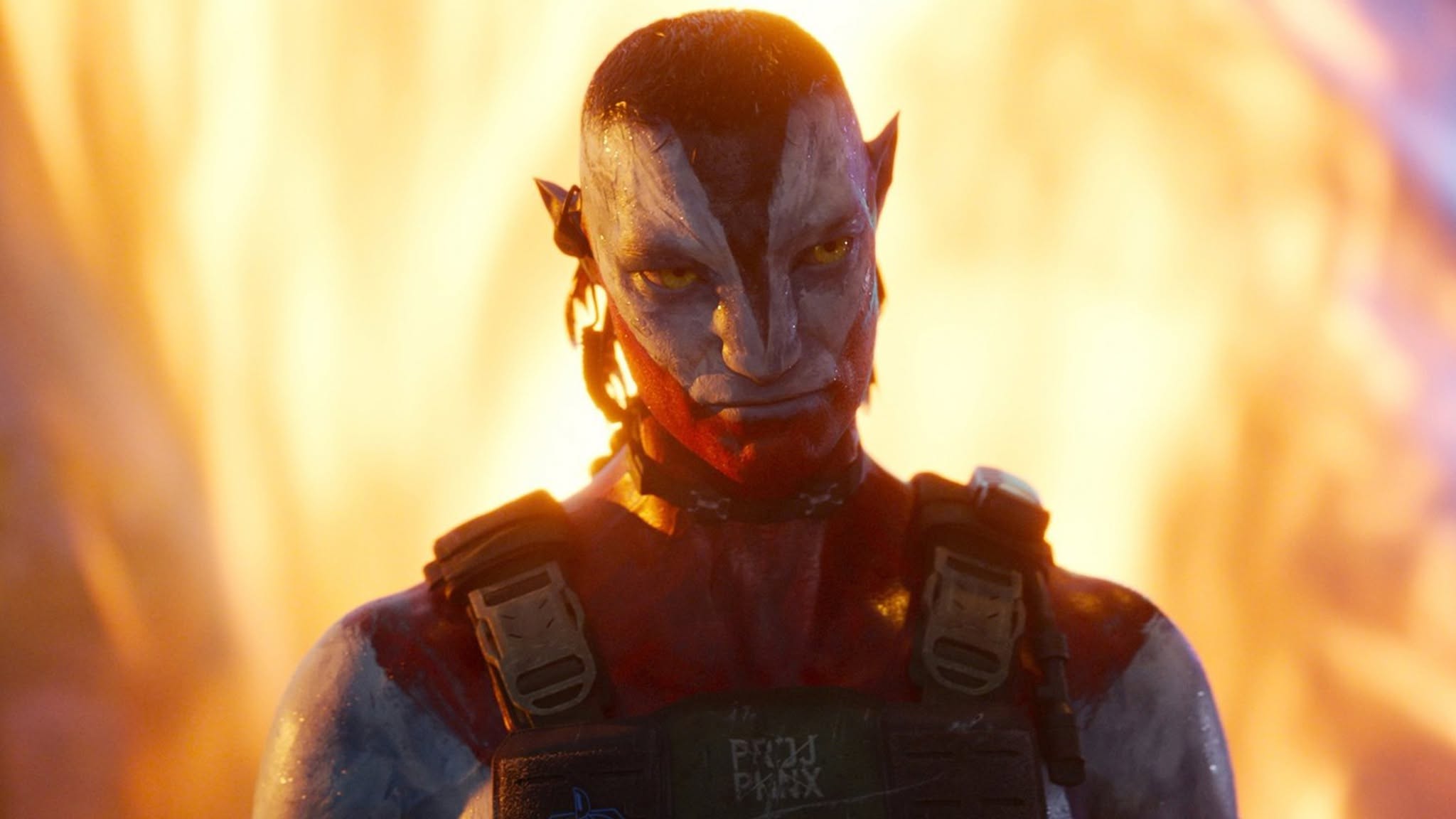
Set only a few weeks after The Way of Water, the Sully family is still reeling from the death of Neteyam (Jamie Flatters). Jake (Sam Worthington) scours the ocean floor for rifles and munitions, preparing for the next inevitable conflict. Neytiri’s grief has hardened into bitterness toward humans. Lo’ak, weighed down by guilt, feels increasingly disconnected from both his family and the Metkayina clan. Meanwhile, Quaritch (Stephen Lang) continues his obsessive pursuit of Jake and his son Spider (Jack Champion), forging an uneasy alliance with the raiding Mangkwan clan led by Varang (Oona Chaplin).
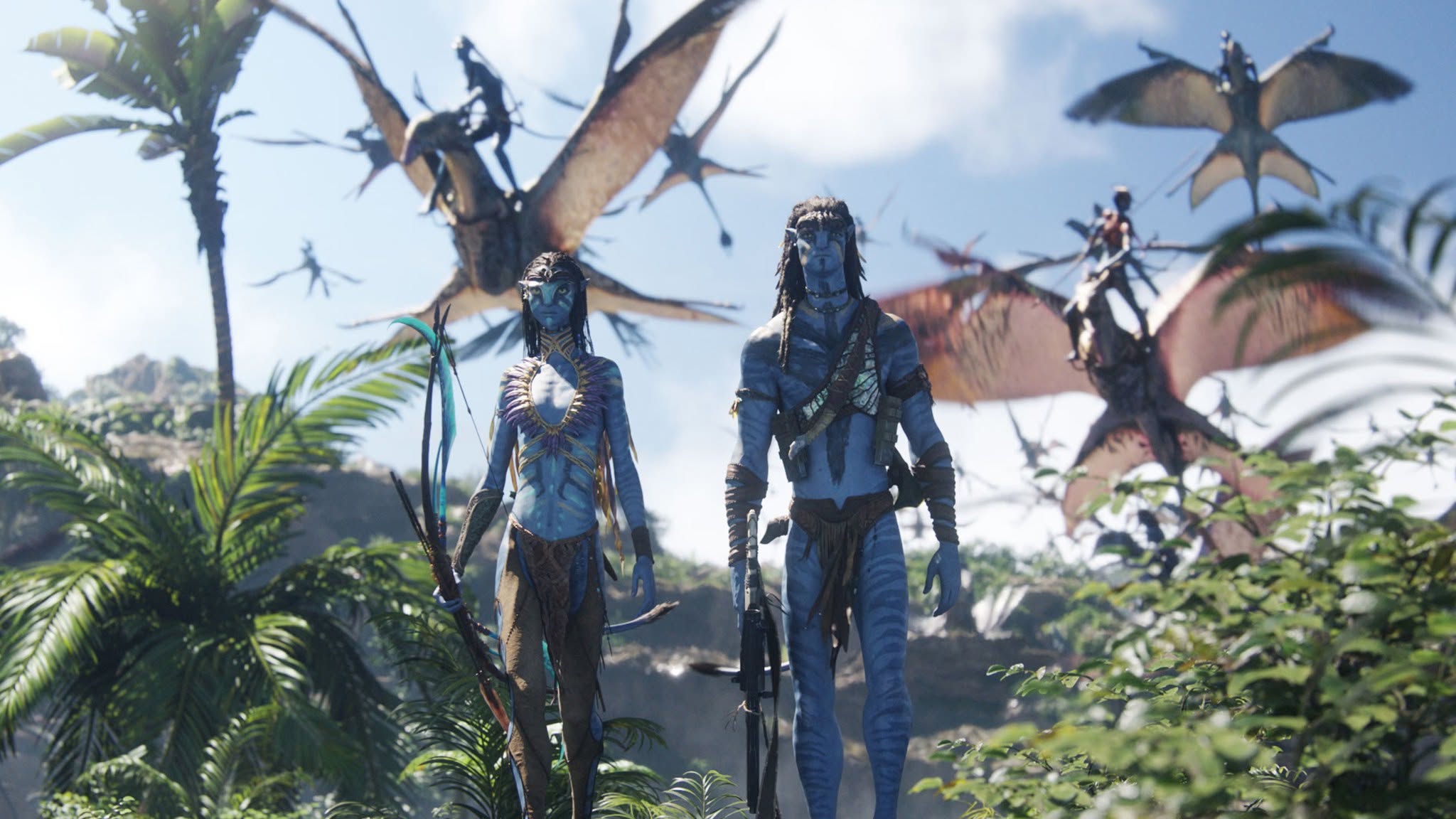
One of the franchise’s most compelling elements is the reminder that Pandora is not a utopia. Whether it’s the carnivorous Akula prowling the oceans or the legendary Toruk dominating the skies, the planet is full of forces that exist beyond Na’vi harmony. Varang is the strongest villain the series has introduced so far – fierce, wounded, and ideologically driven. Unfortunately, the film doesn’t seem to know what to do with her. Once a believer in Eywa, she turned to a fire‑worshipping faith after a volcanic disaster wiped out her mother and people. Her arc is rich with potential, yet she vanishes abruptly in the final act. She’ll clearly return in future installments, but the writers need to decide whether her true foil is Neytiri or Kiri (Sigourney Weaver). It’s remarkable how much more compelling she is than Quaritch, even with the films’ ongoing attempts to reinvent him through Avatar resurrection.
Speaking of underplayed ideas, Eywa grants Spider the ability to breathe Pandora’s air without a mask – a miracle that receives surprisingly little attention. Jake sees it as a potential threat if humans can replicate the process. Selfridge (Giovanni Ribisi), ever the pragmatist, recognizes Spider’s value but never reacts with the astonishment you’d expect at the possibility of humans living mask‑free on Pandora.
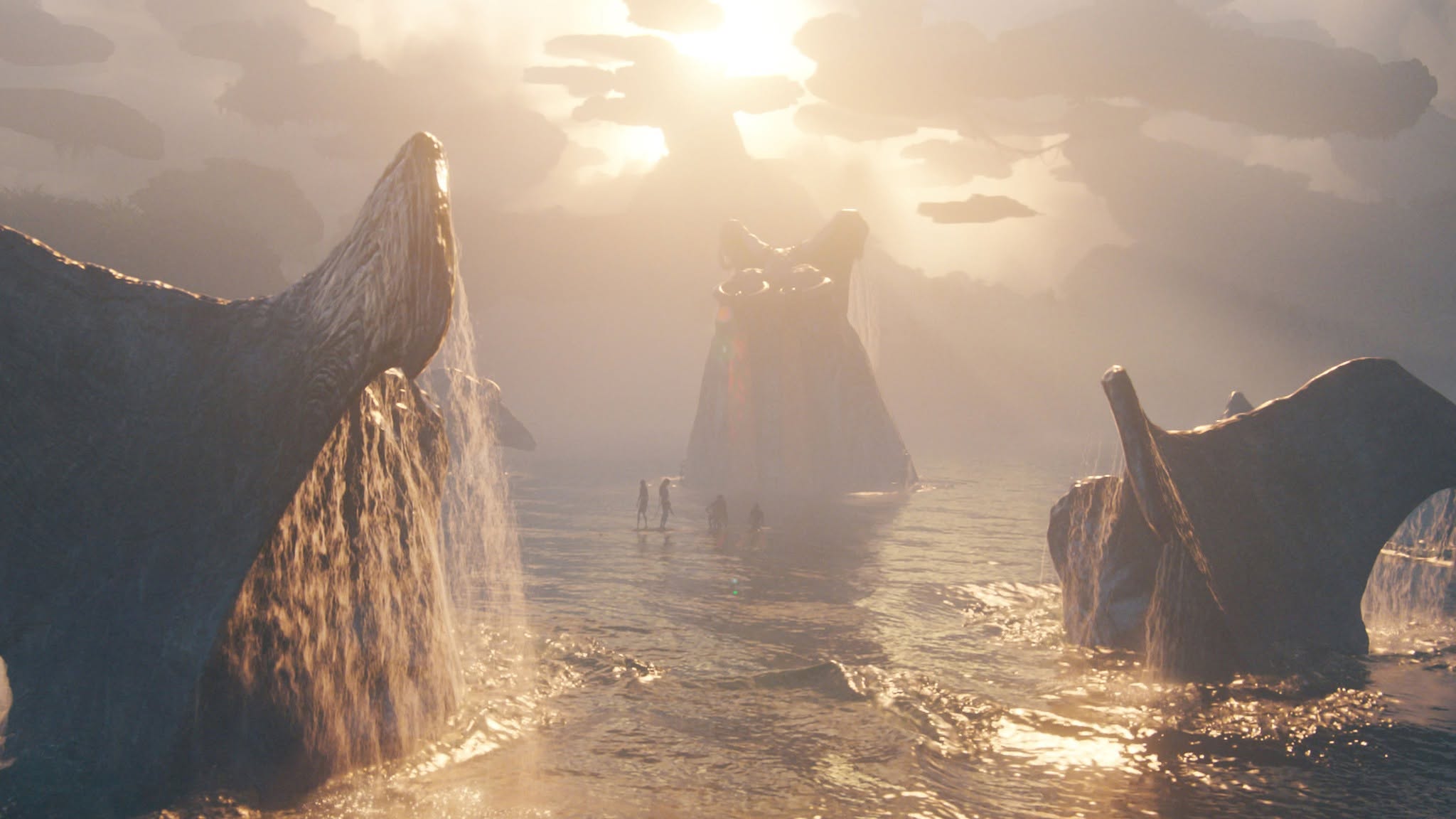
The final act becomes an unrelenting chain of action set pieces, each trying to outdo the last. The result is an exhausting CGI spectacle. Much of it feels predictable: villains receive tidy karmic justice, and James Cameron indulges in Michael Bay–style imagery – backlit aircraft against the sun – except here it’s Na’vi riders silhouetted atop their Ikran.
Avatar: Fire and Ash is the strongest entry in the trilogy so far. It advances the overarching story, expands the world, and introduces a magnetic antagonist. Yes, it revisits many of the franchise’s greatest hits, but it remixes them in ways that serve the narrative and keep the experience engaging. Rewatching the first two films is optional; Fire and Ash stands on its own. Jake tells Quaritch, “This world goes deeper than you can imagine.” I’m not convinced. With each film stretching past three hours while the storytelling remains largely surface‑level, Cameron might be wise to merge the next two planned installments into a single, tighter movie.
Rating: 3.5/5
The writer of this piece is: Laurence Almalvez
Laurence tweets from @IL1511



Leave a Reply